

The best kitchen renovation trends for 2026 center on functionality-first design, natural materials, and upgrades that hold their value. According to the 2026 U.S. Houzz Kitchen Trends Study, which surveyed 1,780 homeowners, the shift is clear: kitchens are being rebuilt for how people actually live, not just how they look in photos.
Key Takeaways
- Major kitchen remodels have a median spend of $55,000, and minor remodels average $20,000 (Houzz, 2026). Minor kitchen remodels returned 113% of their cost nationally (Cost vs. Value, 2025).
- Countertops are the most-upgraded element at 91%, followed by backsplashes and sinks at 85% (Houzz, 2026).
- Natural wood cabinetry is overtaking painted finishes, with white oak leading at 51% of designer preferences (NKBA, 2026).
- Neutrals remain dominant in color palettes, cited by 96% of designers (NKBA, 2026).
- Kitchen deterioration or dysfunction now nearly matches dissatisfaction with style as a reason to renovate.
- Hiring professional contractors and designers remains relatively low, at 16% and 12% respectively (HIRI, 2026).
The Market Behind 2026 Kitchen Renovation Trends
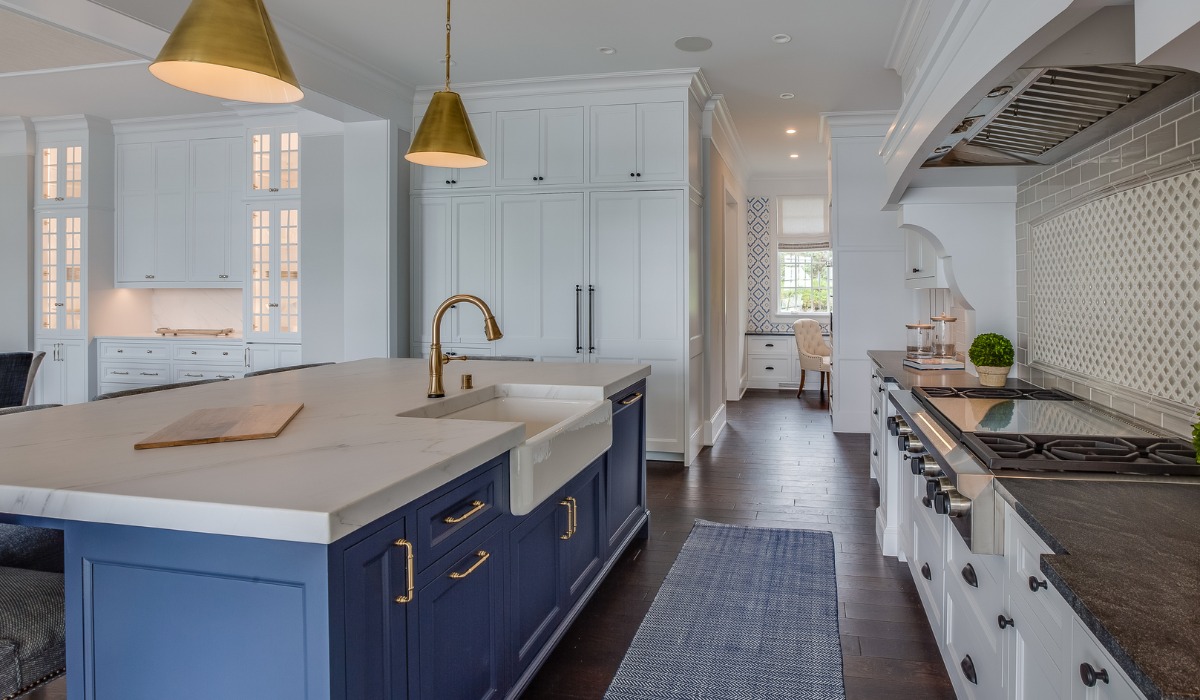
Kitchen renovation is not slowing down. Moreover, the market continues to expand. According to Research and Markets (2026), the kitchen remodel services market will grow from $11.86 billion in 2025 to $12.73 billion in 2026 at a 7.3% CAGR. The National Kitchen and Bath Association estimated the broader industry would generate $235 billion in revenue in 2025, reflecting steady demand even with modest 0.8% growth.
What drives homeowners to act? Houzz reports that kitchen deterioration or dysfunction as a renovation trigger rose 3 points to 38%. This now approaches dissatisfaction with kitchen style at 41% (Houzz, 2026). That is a meaningful shift. It signals that more homeowners are renovating because their kitchens genuinely do not work anymore, not just because they want a refresh.
For anyone evaluating home renovations that increase home value, the kitchen remains the single most impactful interior investment a homeowner can make. Minor kitchen remodels also returned 113% of their cost nationally in the 2025 Cost vs. Value Report, making them one of the rare renovation categories where you typically recover more than you spend.
What Homeowners Are Upgrading in 2026
The data from the 2026 U.S. Houzz Kitchen Trends Study reveals specific upgrade patterns. Homeowners upgrade countertops at 91%, backsplashes and sinks at 85%, and cabinets at 84%. These are not decorative afterthoughts. They are structural, high-contact surfaces that define the kitchen’s daily usability.
Countertops: The Persistent Priority
Countertops top the upgrade list for a reason. Material quality and surface area directly affect how a kitchen functions under everyday conditions. If you are weighing your options, a granite countertop vs quartz comparison is a useful starting point.
Quartz has gained ground due to its uniformity and lower maintenance requirements. In contrast, granite continues to appeal to homeowners seeking natural variation and heat resistance. Therefore, your choice depends on lifestyle and budget priorities.
Engineered quartz is about 93% ground quartz, bound with resin and pigments. That mix makes it nonporous, which granite isn’t. It also resists scratches and comes in many colors and patterns.
Backsplashes: Taller and More Personal
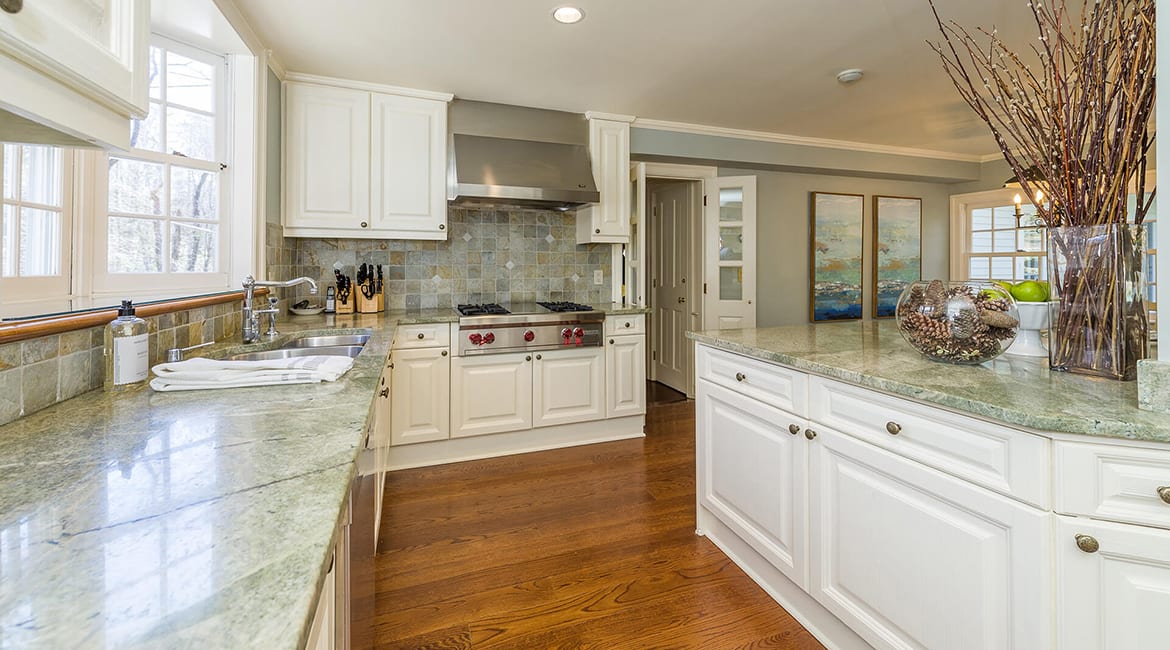
A backsplash is there first to protect the wall behind the counter from splashes and spills. So the surface has to clean easily, and stone, subway tile, and stainless steel all do. Many homeowners now carry the backsplash past the bottom of the upper cabinets. Some run it to the ceiling. Because most kitchens keep a neutral base, a backsplash with color or pattern often becomes the room’s focal point. For more choices, see our guide to backsplash options.
Cabinetry: Natural Wood Takes the Lead
Cabinet replacement is near-universal during a full remodel. According to Houzz (2026), 68% of homeowners replace all cabinets during a renovation. More telling is the material shift: 59% of designers now prefer natural wood over painted finishes, with white oak leading at 51% (NKBA, 2026).
Painted cabinets, which dominated kitchen design for over a decade, are giving way to warm-toned wood grains. These materials age well and photograph authentically. Neutrals are not disappearing, however. Ninety-six percent of designers still rely on neutral palettes as a foundation (NKBA, 2026).
Additionally, the texture and warmth of the wood itself does more of the visual work than color alone. This shift represents a fundamental change in how designers approach kitchen cabinetry.
Wood tones and color also mix well. Light upper cabinets over darker lowers, or an island in a contrasting finish, add variety while the rest of the cabinetry stays uniform. Dark finishes have one drawback: they can make a kitchen look smaller. Pairing dark cabinets with light countertops and a light backsplash avoids that and adds depth.
Flooring: Hardwood or Tile That Looks Like It
Hardwood lets one floor run through an open-concept main level. The catch is that spills and heavy traffic are hard on wood. Porcelain or ceramic tile made to look like hardwood gets around that, and both tiles work well over radiant floor heating. Ceramic is easy to clean. Porcelain is denser, more durable, and absorbs less water.
Smart Layout and Functionality Upgrades
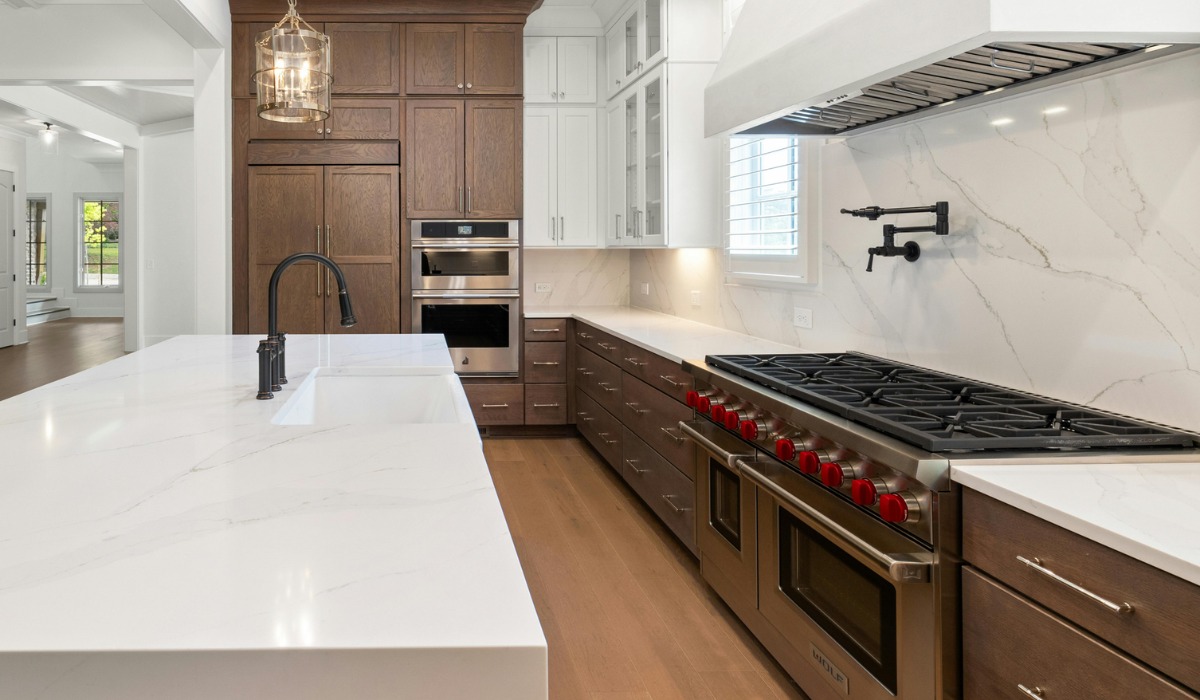
The functionality-first trend extends beyond materials. Homeowners rethink storage systems, prep zones, and the relationship between the kitchen and adjacent living spaces. Open shelving is being reconsidered in favor of integrated cabinetry that keeps the kitchen looking clean without sacrificing access.
Larger islands with dedicated seating are increasingly common. Deep drawer systems and built-in pantry configurations are also standard requests in Fairfield County and Westchester County markets where Gerety Building & Remodeling operates.
Cabinet interiors get the same attention: drawers sized for specific utensils and tools, multi-tiered drawers, hidden compartments for small appliances, and spice racks. Apron (farmhouse) sinks stay popular for practical reasons too. The basin is deep and the front panel sits slightly forward, which puts the sink within easier reach for shorter cooks.
Smart home integration plays a role in this picture as well. Touchless faucets address sanitation concerns. Voice-controlled lighting improves convenience. Smart appliances transform workflow efficiency. These are not trend-driven gimmicks. Rather, they solve real workflow problems for households that use the kitchen intensively.
Other features in this group include touch and swipe controls on ovens and cooktops, refrigerators with separate climate-controlled zones for different foods, motion-activated lighting that comes on when you walk in, and cabinetry with built-in charging stations and hands-free mounts for phones and tablets.
Spending reflects these priorities clearly. The median kitchen renovation spend increased by 9.1% from 2024 to $24,000 (Houzz, 2026), with major remodels landing at a median of $55,000. Homeowners investing at those levels typically work with professionals who coordinate design, permitting, and construction as an integrated process rather than as separate stages.
The Professional Hiring Gap
Despite elevated spending, professional hiring rates remain lower than expected. HIRI’s Q1 2026 Contractor Business Sentiment Tracker found that only 16% of homeowners hired a kitchen or bath contractor. Only 12% hired a kitchen or bath designer in the same period (HIRI, 2026). That gap often leads to costly mistakes mid-project.
Structural changes create particular risk. Plumbing relocation becomes problematic without proper planning. Wall removal requires understanding load distribution. Historic homes present unpredictable existing systems. Therefore, professional coordination becomes essential.
At Gerety Building & Remodeling, with over 40 years of experience serving affluent homeowners across Fairfield and Westchester Counties, we consistently observe the downstream costs of under-resourced planning. Renovating a kitchen without a coordinated design-build team often extends timelines by months. This introduces scope creep that erodes the ROI that made the project worthwhile initially.
If you are evaluating adjacent projects, check for the signs that your roof needs repair before starting interior work. Addressing the envelope first protects a finished kitchen from moisture damage.
Kitchen renovations frequently prompt homeowners to think about adjacent spaces as well. Our work on luxury bathroom remodel ideas follows similar design logic. Natural materials, integrated storage, and long-term durability outweigh short-term style considerations.
Things to Know
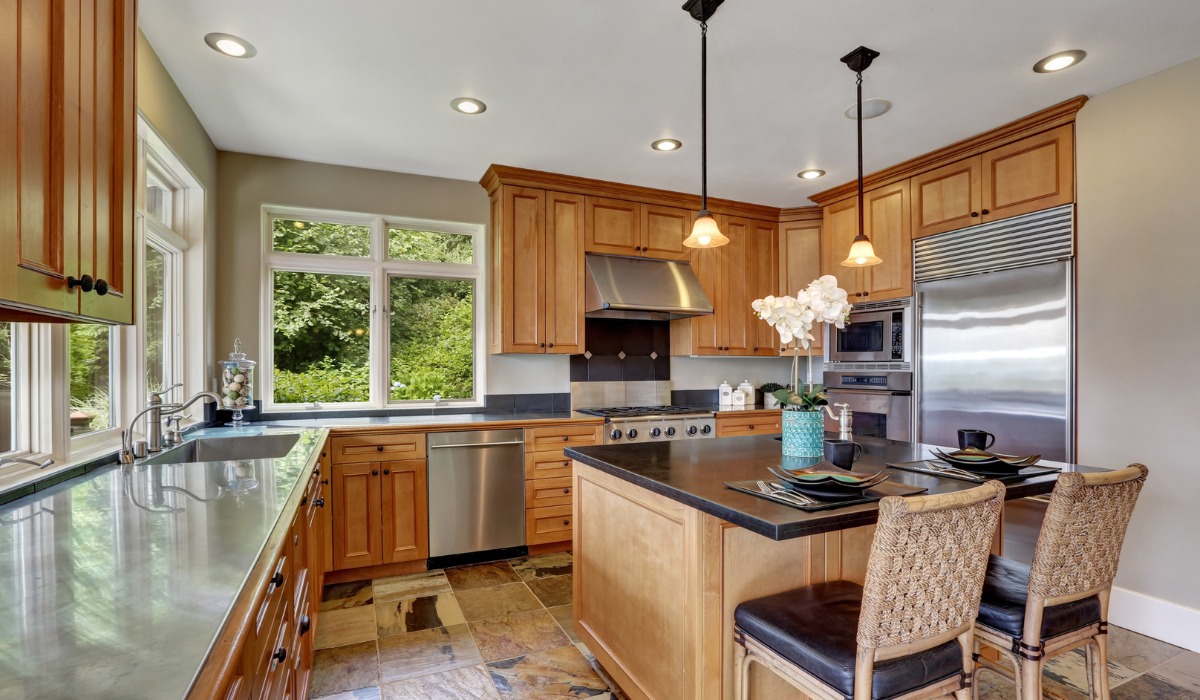
- Median spend for a major kitchen remodel sits at $55,000, and minor remodels average $20,000 (Houzz, 2026). Minor kitchen remodels returned 113% of their cost nationally (Cost vs. Value, 2025).
- About 51% of contractors completed kitchen renovations in the months preceding Q1 2026, confirming sustained demand (HIRI, 2026).
- White oak has overtaken painted cabinetry as the leading finish among design professionals.
- Pulling permits for plumbing and electrical work during a kitchen renovation is required in Connecticut and New York. Skipping this step can affect your home’s resale or refinancing.
- Functionality issues now rival aesthetic dissatisfaction as the primary trigger for renovation, pointing to kitchens that are aging out of usability, not just style.
Start Your Kitchen Renovation with the Right Team
A kitchen renovation at this level of investment deserves a contractor who treats design and execution as inseparable. At Gerety Building & Remodeling, we bring 40-plus years of design-build expertise to every kitchen project across Fairfield County, CT and Westchester County, NY.
We handle everything from initial concept through final inspection. This ensures your timeline, budget, and design intent stay aligned throughout the process. Moreover, our comprehensive approach eliminates coordination gaps that plague fragmented projects.
Ready to move forward? Schedule a consultation with our team to discuss your kitchen project. Get a detailed scope assessment and understand exactly what your renovation will involve before a single cabinet is ordered.
Questions and Answers
Q: What is the average cost of a kitchen renovation in 2026?
A: Minor kitchen remodels average around $20,000, while major remodels carry a median spend of $55,000 (Houzz, 2026).
Costs vary significantly based on square footage, material selections, and whether structural changes like plumbing or wall removal are involved. Regional labor rates in markets like Fairfield County also affect total project cost.
Q: Which kitchen upgrades have the best return on investment?
A: Minor kitchen remodels returned 113% of their cost nationally, making them one of the highest-ROI renovation categories available to homeowners (Cost vs. Value, 2025).
Countertops, cabinet refacing or replacement, and updated fixtures tend to drive the most value relative to cost. In contrast, structural changes like layout reconfiguration often cost more to recover at resale.
Q: Are painted cabinets going out of style in 2026?
A: Painted cabinets are declining in popularity, with 59% of designers now preferring natural wood finishes (NKBA, 2026).
White oak leads the shift at 51% of designer preferences. Neutral palettes remain dominant, but texture and grain are replacing flat color as the primary design element in 2026 kitchens.
Q: What countertop material is most popular in kitchen renovations right now?
A: Quartz and granite remain the top two choices, with quartz gaining ground due to low maintenance and consistent appearance.
Ninety-one percent of renovating homeowners upgrade countertops during a remodel (Houzz, 2026), making this the single most common kitchen upgrade. The right material depends on usage patterns, budget, and aesthetic priorities.
Q: How long does a full kitchen renovation take?
A: A major kitchen renovation typically takes 8 to 16 weeks from demolition to completion, depending on scope and contractor scheduling.
Custom cabinetry lead times are common delays. Permitting schedules affect timelines. Appliance availability can extend projects significantly. Therefore, design-build firms that manage all phases internally tend to compress schedules compared to separately contracted work.
The Bottom Line on 2026 Kitchen Renovation Trends
The best kitchen renovation trends for 2026 reward homeowners who prioritize durability, functionality, and material quality over surface-level aesthetics. The data from Houzz, NKBA, and HIRI consistently points in the same direction. Kitchens that work well, are built from quality materials, and are designed by professionals consistently outperform those assembled piecemeal.
If your kitchen is aging out of function or you are ready to invest at the level the current market rewards, start the conversation with a team that has done this work for decades. Furthermore, review your scope and set a realistic budget. Finally, get the right professionals involved from day one.